Living in a coastal area means breathtaking ocean views, fresh breezes, and, unfortunately, relentless salt-laden air, high humidity, and occasional storms. These unique conditions demand extra care when it comes to protecting your roof, especially around vulnerable spots like valleys, chimneys, and skylights. That’s where roof flashing plays a vital role.
But what are the best roof flashing materials for homes in coastal areas? Let’s explore why your material choice matters, the top options, and how to keep your home protected against harsh coastal elements.
Why Roof Flashing is Crucial for Coastal Homes
Roof flashing is installed around roof penetrations and intersections to direct water away, preventing leaks and costly water damage.
In coastal environments, flashing must resist:
- Corrosion from salty air
- Constant humidity
- Intense sun exposure
- Occasional hurricane-force winds
The wrong material can corrode quickly, leading to leaks and structural problems. Investing in the right flashing materials saves money and headaches in the long term.
Top Roof Flashing Materials for Coastal Areas
Here are the most durable and widely recommended materials for coastal homes:
1. Stainless Steel Flashing
Why it’s a great choice:
- Excellent corrosion resistance
- Withstands salty air and high humidity
- Durable and strong, ideal for high-wind zones
Stainless steel is a top-tier option for coastal homes, especially Type 316 stainless steel, which includes molybdenum for enhanced salt resistance. While it costs more upfront, its longevity often outweighs the expense.
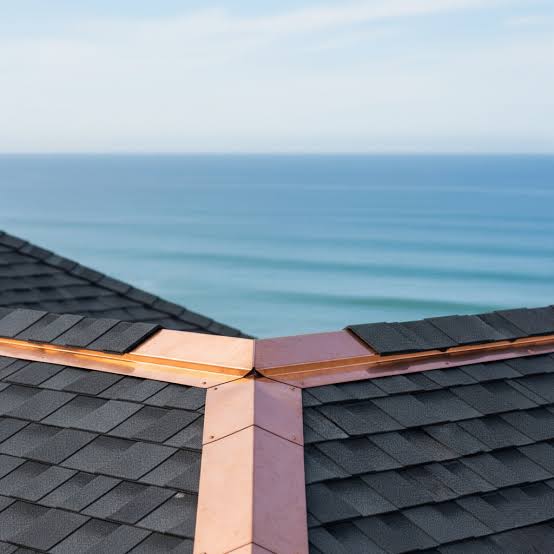
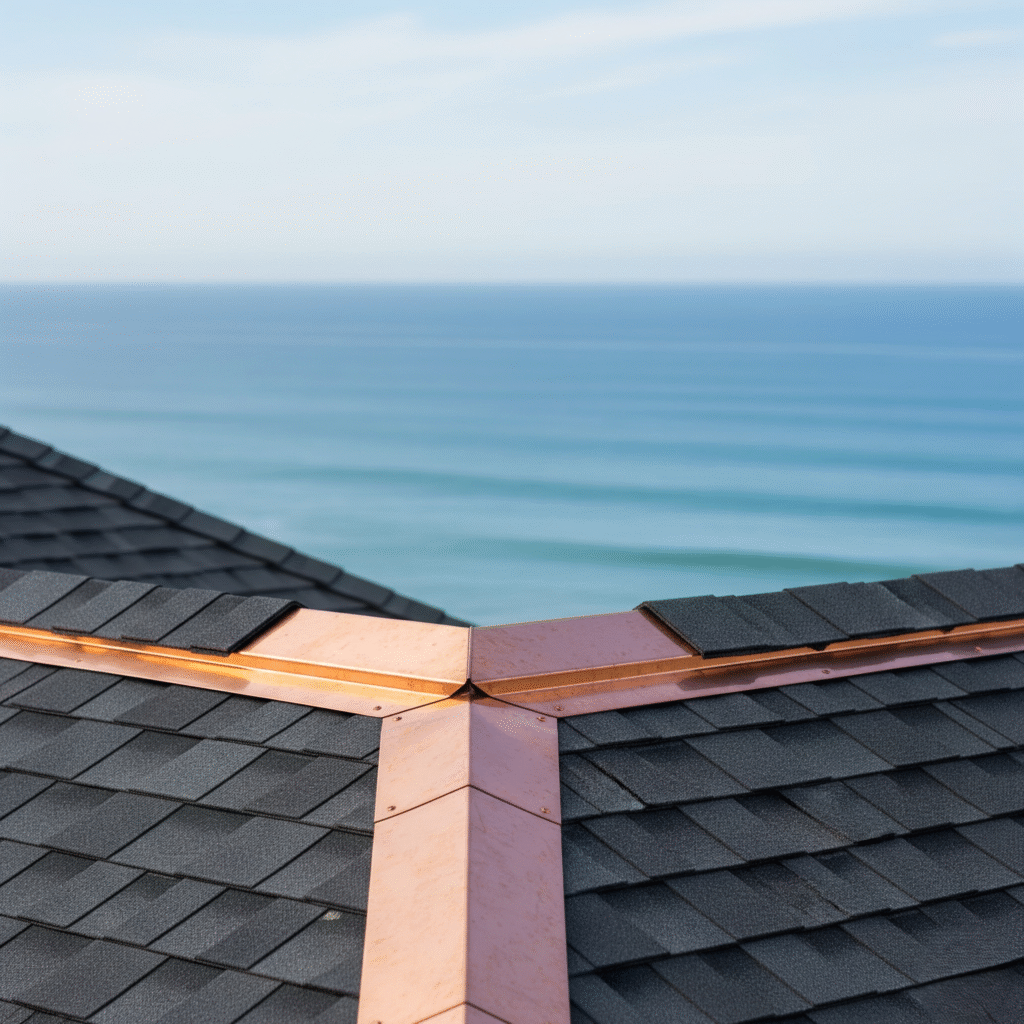
2. Copper Flashing
Why it’s popular:
- Naturally corrosion-resistant, even in salty air
- Forms a protective green patina that adds charm
- Long lifespan (50+ years with proper care)
Copper is an elegant and traditional choice that works exceptionally well near the coast. Its natural patina helps shield it from corrosion and adds character to coastal architecture.
3. Aluminum Flashing (with Coating)
Uncoated aluminum corrodes quickly near the sea. However, aluminum flashing with a marine-grade or anodized coating becomes a viable, budget-friendly choice.
Pros:
- Lightweight and flexible
- Cost-effective
- Easy to install
Cons:
- Must be properly coated
- Less durable than stainless steel or copper
4. Lead-Coated Copper
This combines the benefits of copper with an extra layer of corrosion resistance:
- Naturally weather-resistant
- Lead coating enhances durability in salt-laden environments
- Offers a classic look for traditional homes
Lead-coated copper is a premium choice, suitable for homeowners who value both longevity and aesthetics.
Factors to Consider When Choosing Roof Flashing for Coastal Homes
Before choosing the best material, consider:
Proximity to the ocean: Homes within a few hundred feet of the shoreline face higher salt exposure.
Budget: Stainless steel and copper cost more but last longer; coated aluminum is more affordable.
Roof style and pitch: Some materials bend more easily to fit valleys and complex roof designs.
Architectural style: Copper’s patina can complement coastal cottages, while stainless steel suits modern homes.
Installation and Maintenance Tips
Even the best material won’t help if flashing isn’t installed and maintained properly:
- Hire experienced roofing contractors familiar with coastal construction.
- Ensure overlapping seams are sealed with marine-grade sealants.
- Inspect flashing yearly for corrosion, cracks, or lifting.
- Clear debris and keep gutters clean to reduce water buildup.
Why Avoid Galvanized Steel in Coastal Homes
Galvanized steel flashing is widely used inland but isn’t ideal near the ocean:
- Coating wears down quickly in salty environments.
- Rust appears faster, leading to leaks.
- Replacement becomes frequent and costly.
For coastal areas, invest in materials proven to handle salt exposure.
The Cost vs. Longevity Trade-Off
| Material | Approximate Lifespan | Relative Cost | Best for Coastal? |
|---|---|---|---|
| Stainless Steel | 50+ years | High | Excellent |
| Copper | 50+ years | High | Excellent |
| Lead-Coated Copper | 50+ years | High | Excellent |
| Coated Aluminum | 20–30 years | Medium | Conditional |
| Galvanized Steel | 10–15 years | Low | Not recommended |
Choosing a longer-lasting material usually means a higher initial cost, but it often pays off by preventing leaks and avoiding frequent repairs.
Conclusion
When building or renovating a coastal home, choosing the right roof flashing material is just as critical as choosing the right shingles or tiles.
Stainless steel, copper, and lead-coated copper remain the best flashing materials for salt-heavy coastal air, offering decades of protection and peace of mind.
With the right materials, proper installation, and regular inspections, your coastal roof will stay watertight and beautiful, no matter how strong the sea breeze blows. Contact us today!