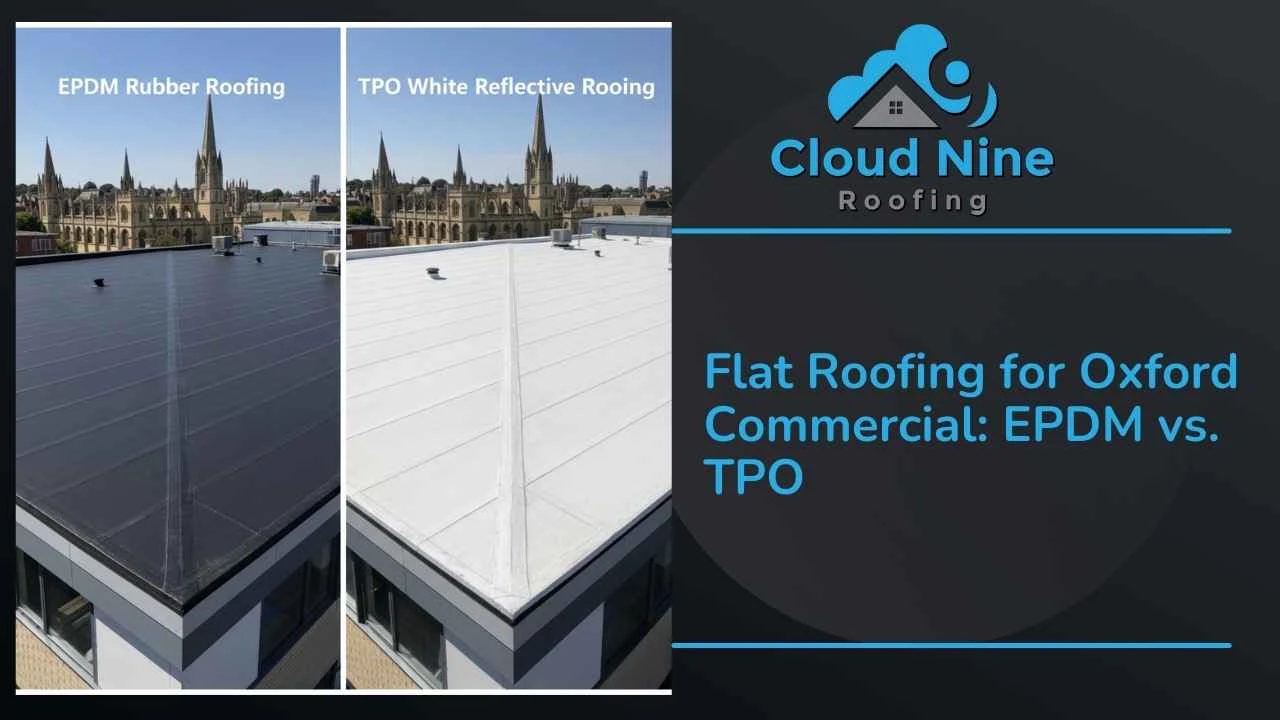
Flat roofing systems are a popular and practical choice for commercial properties in Oxford. From office buildings and retail spaces to warehouses and medical facilities, flat roofs offer durability, accessibility, and cost efficiency. However, choosing the right roofing material is critical to long-term performance and protection.
Two of the most commonly used flat roofing systems today are EPDM and TPO. While both are excellent options, they perform differently depending on building needs, climate exposure, and professional installation quality.
In this guide, we break down EPDM vs. TPO flat roofing, explain which option suits Oxford commercial buildings best, and why working with experienced commercial roofing professionals is essential.
Why Flat Roofing Is Popular for Oxford Commercial Buildings
Commercial flat roofing systems offer several advantages over traditional pitched roofs.
Cost-Effective Installation
Flat roofs require fewer materials and less labor, reducing upfront costs.
Easy Maintenance Access
HVAC units, vents, and solar systems are easier to access on flat roofs.
Modern, Functional Design
Flat roofs maximize usable space and suit commercial architecture.
Understanding EPDM Flat Roofing
EPDM (Ethylene Propylene Diene Monomer) is a rubber-based roofing membrane widely used in commercial construction.
Key Features of EPDM Roofing
- Made from synthetic rubber
- Typically black in color
- Extremely flexible
- Proven track record of durability
EPDM has been used for decades and remains a trusted choice for many commercial properties.
Benefits of EPDM Roofing for Oxford Properties
Excellent Durability
EPDM resists cracking, tearing, and weather-related stress.
Flexible in Temperature Changes
It expands and contracts without damage, important for seasonal shifts.
Long Lifespan
With professional installation and maintenance, EPDM can last 25–30 years.
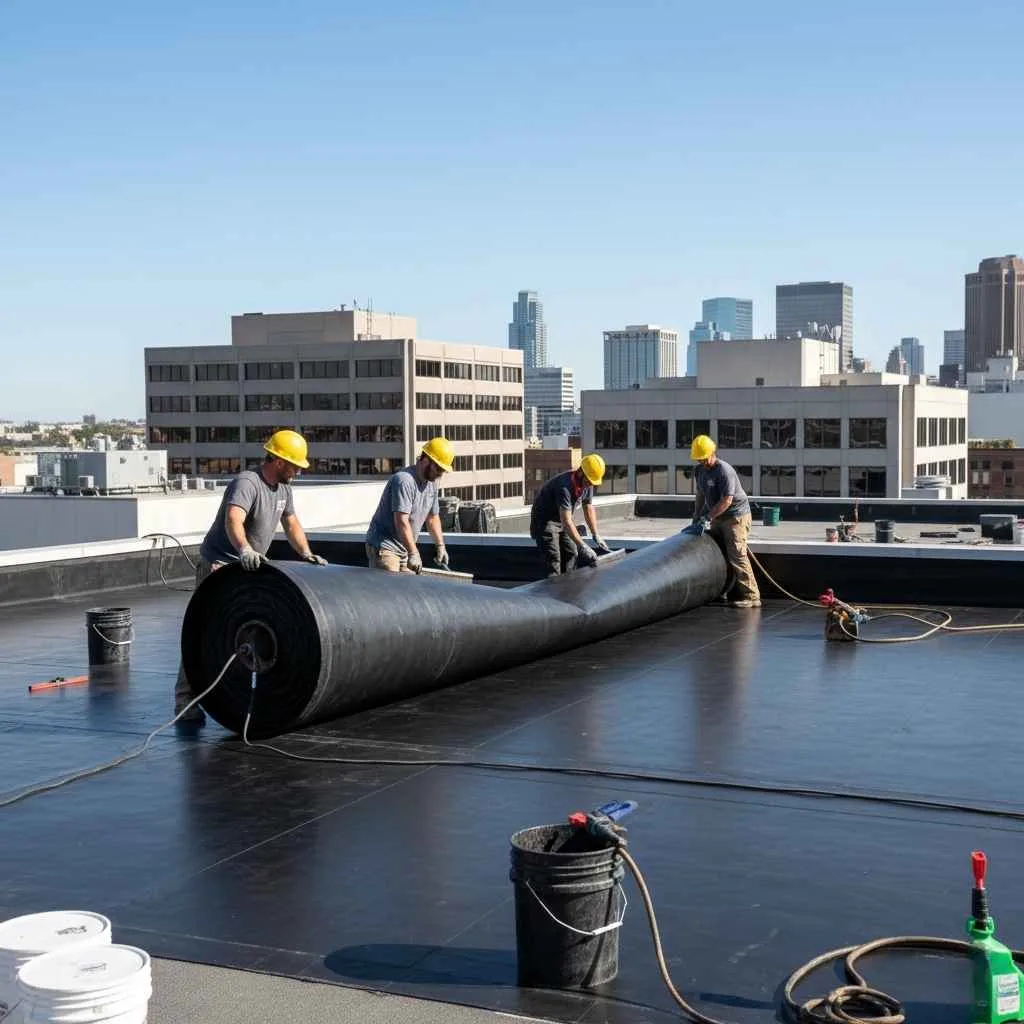
Considerations with EPDM Roofing
While EPDM is highly durable, it:
- Absorbs heat due to its dark color
- May increase cooling demands in summer
- Requires professional seam sealing
Proper installation plays a major role in EPDM performance.
Understanding TPO Flat Roofing
TPO (Thermoplastic Polyolefin) is a single-ply roofing membrane known for energy efficiency.
Key Features of TPO Roofing
- Typically white or light-colored
- Heat-reflective surface
- Welded seams for strength
- Lightweight material
TPO has grown rapidly in popularity for modern commercial buildings.
Benefits of TPO Roofing for Oxford Commercial Spaces
Energy Efficiency
TPO reflects sunlight, helping reduce cooling costs.
Strong Seam Integrity
Heat-welded seams create a watertight bond.
Eco-Friendly Option
TPO is recyclable and supports energy efficiency goals.
Considerations with TPO Roofing
TPO performance depends heavily on:
- Material quality
- Installation expertise
- Climate exposure
Lower-grade TPO materials may degrade faster if improperly installed.
EPDM vs. TPO: Side-by-Side Comparison
Durability
- EPDM: Proven long-term performance
- TPO: Durable when high-quality materials are used
Energy Efficiency
- EPDM: Absorbs heat
- TPO: Reflects heat, lowers cooling costs
Seam Strength
- EPDM: Adhesive or taped seams
- TPO: Heat-welded seams
Maintenance Needs
- Both require professional inspections and upkeep
Which Roofing System Is Best for Oxford Commercial Buildings?
The right choice depends on several factors.
Choose EPDM If:
- Durability is your top priority
- Your building doesn’t rely heavily on cooling
- You want a time-tested solution
Choose TPO If:
- Energy efficiency is important
- Cooling costs are a concern
- You want a modern roofing system
A professional roofing assessment ensures the right decision.
Why Professional Installation Is Non-Negotiable
Flat roofing systems are not forgiving of installation errors.
Professional installation ensures:
- Proper drainage slope
- Secure seam bonding
- Correct insulation placement
- Long-term leak prevention
DIY or inexperienced installation often leads to premature failure.

Common Flat Roofing Problems Caused by Poor Installation
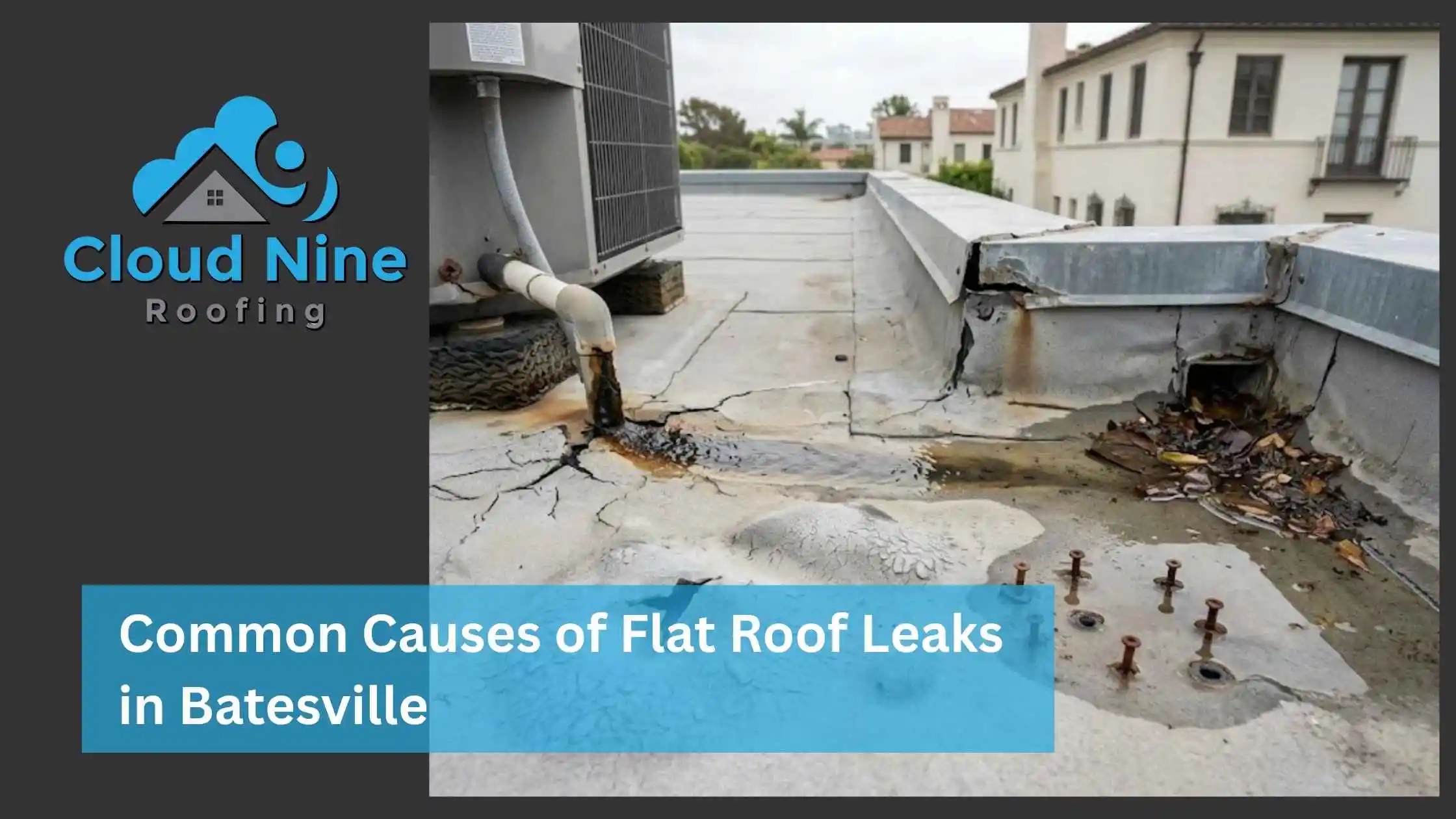
- Ponding water
- Seam separation
- Membrane punctures
- Insulation damage
- Costly interior leaks
Professional workmanship protects your investment.
Importance of Ongoing Commercial Roof Maintenance
Even the best roofing system needs regular care.
Professional maintenance includes:
- Drain inspections
- Seam evaluations
- Surface cleaning
- Early leak detection
Routine service extends roof lifespan and avoids disruptions.
How Often Should Oxford Commercial Roofs Be Inspected?
Commercial flat roofs should be inspected:
- Twice per year
- After major storms
- Before warranty periods expire
Scheduled inspections reduce unexpected repair costs.
Why Oxford Businesses Choose Professional Roofing Services
Local commercial roofing experts understand:
- Regional weather patterns
- Building code requirements
- Commercial drainage needs
- Safety regulations
Professional service ensures compliance and reliability.
Benefits of Professional Flat Roofing Services
Long-Term Cost Savings
Quality installation reduces repairs and replacements.
Business Continuity
Fewer leaks mean fewer interruptions.
Warranty Protection
Manufacturer warranties often require professional installation.
Peace of Mind
Your building is protected year-round.
Planning a Flat Roofing Project the Right Way
A successful flat roofing project includes:
- Professional roof evaluation
- Material selection guidance
- Proper installation
- Scheduled maintenance planning
Cutting corners upfront almost always costs more later.
Call to Action: Protect Your Oxford Commercial Property
Choosing between EPDM and TPO flat roofing is an important decision, but choosing the right roofing professionals matters even more. The performance of any flat roof depends on expert installation and ongoing care.
Contact us today to schedule a professional flat roofing consultation for your Oxford commercial property. We’ll help you choose the best system, install it correctly, and keep it performing for years to come.